

Why Is Your Tiled Roof Still Leaking After Repairs? Common Causes and How Roof Glazing Helps
A leaking roof can cause ongoing frustration for homeowners, especially when the problem returns after repairs. Water stains on ceilings, damp patches and recurring leaks may indicate that the original issue has not been fully resolved. In Brisbane, tiled roofs are exposed to strong sunlight, heavy rain and changing weather conditions that can gradually affect roof tiles, ridge pointing and protective coatings.
Understanding why a tiled roof continues to leak can help homeowners identify the source of the problem and determine whether roof repairs, resealing or roof glazing may be appropriate.
What Causes a Tiled Roof to Leak Again After Repairs?
Several issues can contribute to recurring roof leaks. Finding the actual source of water entry is important because repairing only the visible damage may not resolve the underlying problem.
1. Cracked or Broken Roof Tiles
Roof tiles can crack, break or become displaced due to ageing, falling branches, foot traffic or severe weather. Even a small damaged section can allow rainwater to enter the roof space.
Replacing damaged tiles can help restore the roof’s protective covering. However, if water continues to enter after replacement, other areas of the roof may need to be inspected.
2. Deteriorating Ridge Pointing
The mortar and pointing around ridge caps help keep these roof components secure and protect vulnerable joints. Over time, exposure to weather can cause traditional mortar pointing to crack or deteriorate.
When gaps develop, rainwater may find a pathway into the roof structure. Flexible pointing compounds are used during suitable roof restoration work to help accommodate minor movement and maintain a protective seal.
3. Ageing Roof Coatings and Sealants
Protective coatings can gradually wear down after years of exposure to sunlight, rain and environmental conditions. When the coating deteriorates, the roof may become more vulnerable to surface weathering.
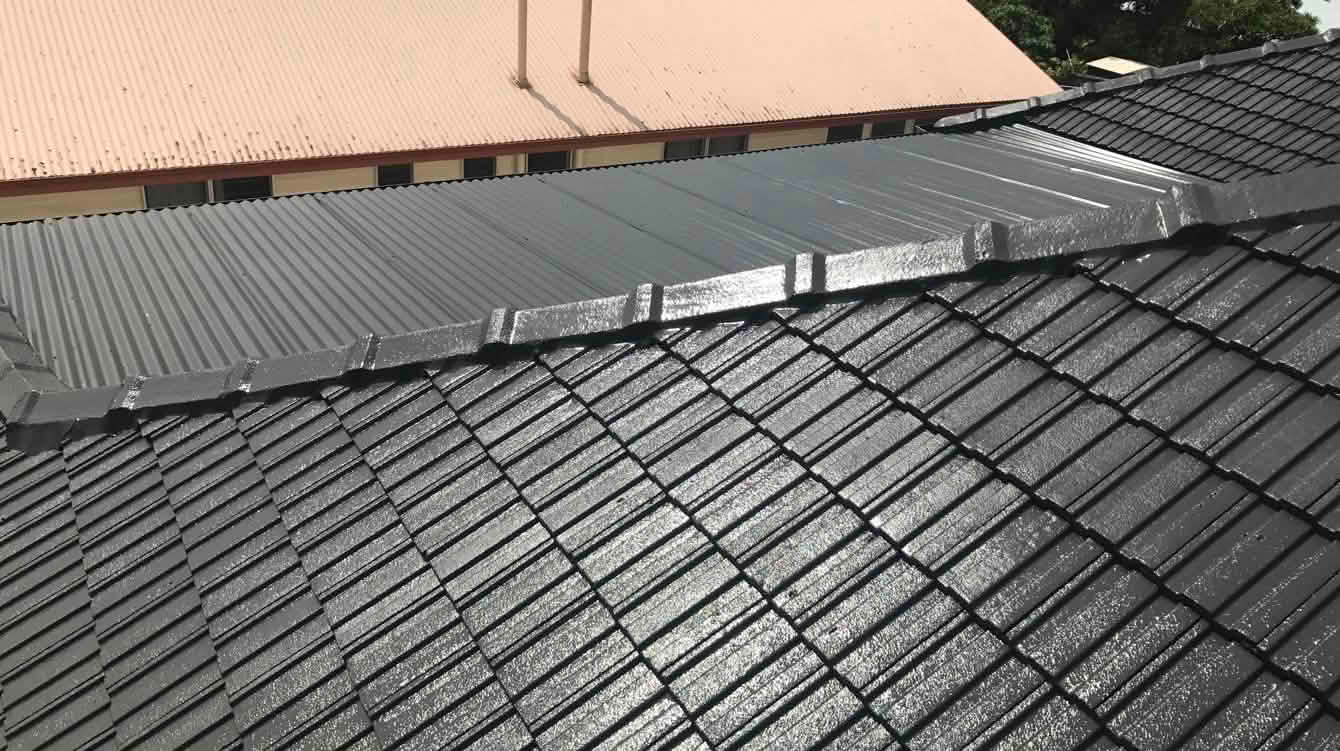
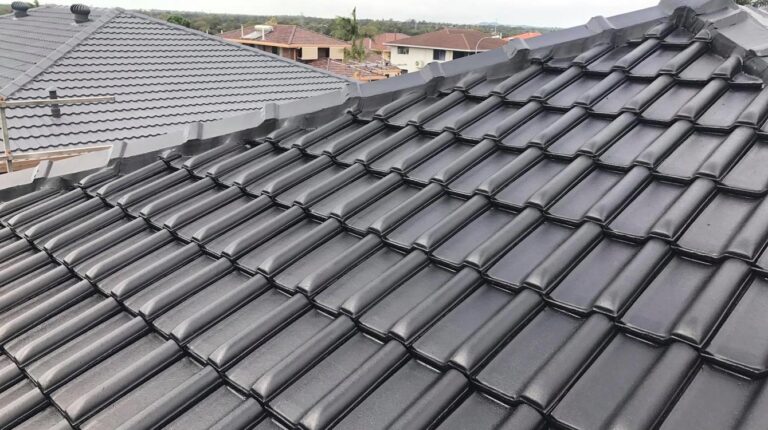
Roof glazing involves applying a protective coating to suitable tiled roof surfaces. Diamond Roof Tiling provides roof glazing and sealing services designed to help protect tiled roofs against water ingress and Brisbane’s weather conditions.
However, glazing is not a substitute for repairing broken tiles, defective pointing or other underlying faults. The roof should be assessed first to determine which repairs and protective treatments are needed.
4. Problems Around Roof Joints and Flashing
Areas around roof penetrations, valleys, flashing and adjoining roof sections can be vulnerable to leaks. If these components become damaged, displaced or poorly sealed, water may enter even when most roof tiles appear to be in good condition.
These problems require targeted inspection and repair. Applying a coating over the roof surface alone will not necessarily fix a leak originating from flashing or another roof joint.
5. Brisbane’s Heavy Rain and Weather Exposure
Brisbane roofs experience seasonal heavy rainfall, strong sunlight and occasional storms. These conditions can expose existing weaknesses in roof tiles, ridge caps, pointing and other roof components.
A leak that appears only during heavy rain may be difficult to identify without a thorough inspection. Checking the entire roof system can help locate the source instead of repeatedly repairing the same visible area.
How Can Roof Glazing Help Protect a Tiled Roof?
Roof glazing is a protective coating treatment used on suitable tiled roofs to improve surface protection and appearance. Depending on the product and condition of the roof, it can help provide a barrier against weather exposure and reduce the effects of surface deterioration.
Diamond Roof Tiling’s roof glazing service uses protective coatings and flexible compounds for vulnerable areas of tiled roofs, including terracotta, concrete and cement tiles.
Before glazing, the roof may need cleaning and repairs to damaged tiles or ridge pointing. Preparing the surface correctly helps the coating adhere as intended and ensures existing defects are addressed before the finishing treatment is applied.
It is important to understand that roof glazing cannot guarantee that a roof will never leak again. Its suitability depends on the roof’s condition, and active leaks should be investigated before coating work begins.
Should You Choose Roof Repairs or Roof Glazing?
The right solution depends on what is causing the leak.
Broken or displaced tiles: Individual tiles may need repair or replacement.
Cracked ridge pointing: Repointing or other ridge-cap repairs may be required.
Worn protective coating: Roof glazing or resealing may be suitable after assessing the surface.
Damaged flashing or roof joints: Targeted repairs are needed to address the water entry point.
Multiple signs of deterioration: A broader roof inspection may help determine whether roof restoration is appropriate.
Combining necessary repairs with suitable protective treatments can help improve the roof’s condition more effectively than applying a coating without addressing underlying faults.
When Should You Arrange Professional Roof Glazing in Brisbane?
If your tiled roof continues to leak after repairs, or you notice deteriorating pointing, damaged tiles or worn coatings, consider arranging a professional roof inspection. Identifying the cause early can help reduce the risk of further water damage to ceilings, insulation and other parts of the home.
For homeowners looking for assistance, Diamond Roof Tiling’s Roof Glazing service in Brisbane offers roof sealing and protective coating solutions for suitable tiled roofs.
A proper assessment can help determine whether your roof needs targeted repairs, resealing, glazing or a more comprehensive restoration. Addressing the actual cause of recurring leaks is the key to achieving a more reliable result and protecting your home against Brisbane’s changing weather conditions.