

What Are the Signs Your Brisbane Roof Needs Restoration?
Your roof protects your home from Brisbane’s sun, rain and severe weather, but constant exposure can gradually affect its condition. Small problems may not seem urgent at first, yet they can develop into leaks, water damage and more expensive repairs if left unattended.
So, what are the signs your Brisbane roof needs restoration? From cracked tiles to fading coatings and damaged ridge capping, there are several warning signs homeowners should look out for.
1. Are Your Roof Tiles Cracked or Broken?
Cracked, chipped, slipped or missing tiles are some of the most obvious signs that your roof needs attention.
Even a small number of damaged tiles can create pathways for water to enter the roof system, particularly during heavy Brisbane rainfall. If you can see damaged tiles from the ground, it is worth arranging a professional inspection rather than attempting to walk across the roof yourself.
Where damage is widespread, restoration may involve replacing affected tiles and addressing other ageing areas rather than simply repairing one spot.
2. Have You Noticed Water Stains on Your Ceiling?
Brown or discoloured patches on ceilings and walls can indicate that water is getting through the roof.
You may also notice dripping during heavy rain, damp insulation or a musty smell in the ceiling cavity. A leak does not always appear directly underneath the original entry point because water can travel along roof components before becoming visible inside.
Queensland Government advice recommends checking roof condition regularly and repairing damaged roof components to help prepare homes for extreme weather.
3. Is Your Roof Colour Faded or Looking Worn?
A roof that has become noticeably faded, chalky or patchy may have experienced prolonged exposure to Brisbane’s strong sunlight and weather conditions.
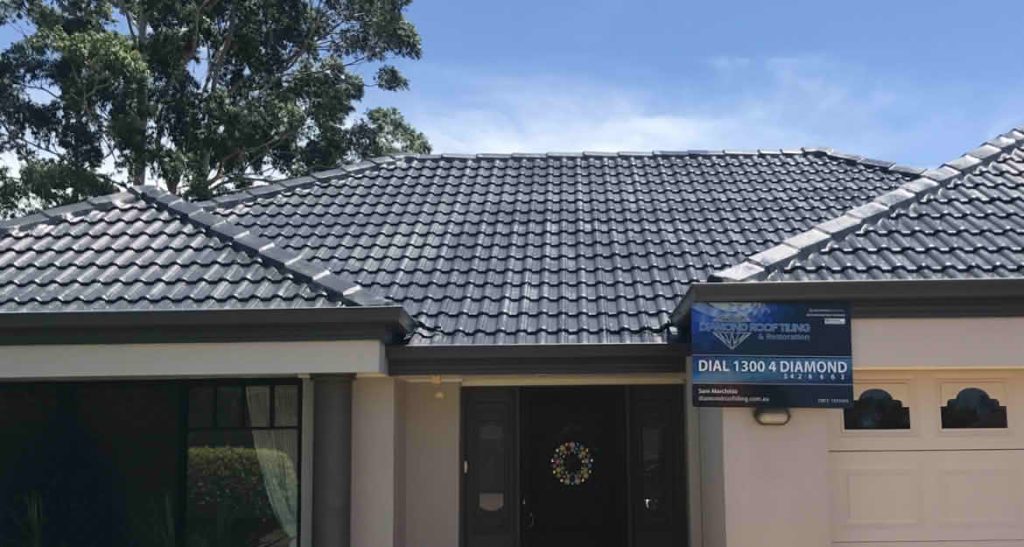
A worn surface does not necessarily mean the roof needs complete replacement. Depending on the roof material and its overall condition, restoration may involve cleaning, repairs, sealing and applying a suitable protective coating.
The important step is determining whether the underlying roof remains suitable for restoration.
4. Are Your Ridge Caps or Pointing Deteriorating?
Ridge capping is an important part of many tiled roofs. Cracked, loose or crumbling pointing can reduce the roof’s ability to keep water out.
If mortar around ridge caps is deteriorating, simply replacing an individual tile may not address the broader problem. A professional inspection can determine whether re-bedding, re-pointing or other restoration work is appropriate.
5. Is There Moss, Mould or Lichen on the Roof?
Brisbane’s humidity and rainfall can create conditions where moss, algae and lichen develop, particularly on shaded sections of a roof.
Some surface growth may mainly affect appearance, but heavy or persistent growth can retain moisture against roof surfaces and indicate that the roof needs cleaning and closer assessment.
Regular roof maintenance can help identify whether cleaning is sufficient or whether other restoration work is required.
6. Are You Seeing Rust on a Metal Roof?
For metal roofing, rust is an important warning sign.
Small areas of surface corrosion may be treatable, while widespread corrosion, damaged sheets or deterioration around fixings may require more extensive work. The extent of the rust needs to be assessed before deciding whether restoration or replacement is appropriate.
7. Has Your Roof Been Affected by Brisbane Weather?
Strong winds, heavy rain, hail and falling branches can all affect roof condition. After significant weather, look for visible damage from the ground and check your ceiling for new signs of water entry.
Queensland’s Building and Construction Commission recommends checking and securing loose roof tiles or sheets as part of storm preparation.
Does an Old Roof Automatically Need Restoration?
Not necessarily. Age alone does not determine whether a roof should be restored.
The condition of the tiles or sheets, ridge capping, flashings, valleys, coatings, drainage and underlying structure all need to be considered. A professional inspection can help determine whether your roof needs a few repairs, a broader restoration or eventual replacement.
When Should You Arrange a Roof Restoration Inspection?
If you notice several of these warning signs, it is sensible to arrange an inspection before the next major period of rain or severe weather.
Professional roof restoration Brisbane services can assess the condition of your roof and identify areas that require repair, cleaning, resealing or other restoration work.
The earlier problems are identified, the more options you may have for maintaining the existing roof and preventing minor defects from developing into major damage.