


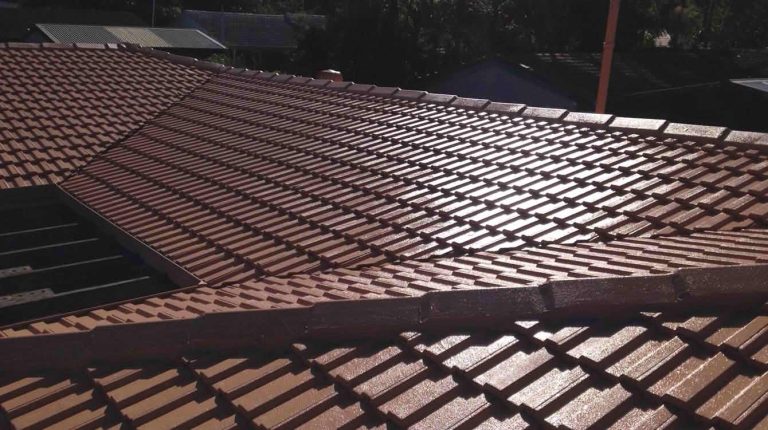
Does Roof Painting Reduce Heat in Brisbane Homes? Benefits of Reflective Roof Coatings
Brisbane’s hot summers and strong sunlight can make homes uncomfortable, particularly when roof surfaces absorb large amounts of solar heat. Roof painting is one option homeowners can consider to improve the appearance of an ageing roof and add a protective coating to suitable roofing materials. Depending on the coating selected, it may also help reduce the amount of solar heat absorbed by the roof.
Understanding how roof painting works, which coatings are suitable and why proper preparation matters can help homeowners decide whether roof painting is appropriate for their property.
How Does Roof Painting Help Reduce Heat?
A roof exposed to direct sunlight can absorb heat and transfer some of it into the roof space. The amount of heat absorbed depends on factors such as roof colour, material, insulation, ventilation and the properties of the coating.
Some roof paints are designed with reflective properties that help reflect a portion of the sun’s radiation rather than absorbing it. When a suitable reflective coating is applied correctly, it may reduce roof surface temperatures and help limit heat entering the building.
However, results vary according to the product and the home’s construction. Roof painting alone cannot guarantee a cooler indoor temperature, especially if the property has limited insulation or poor ventilation.
What Are the Benefits of Reflective Roof Coatings?
Reflective roof coatings can offer several benefits for Brisbane homeowners when the right product is selected.
1. Reduced Solar Heat Absorption
Light-coloured and specially formulated reflective coatings can reflect more sunlight than some darker, less reflective surfaces. This can help reduce heat absorption by the roof during sunny weather.
The actual improvement depends on the coating’s solar reflectance, the existing roof condition and other features of the home.
2. Improved Roof Appearance
Roof painting can refresh the appearance of faded, weathered or discoloured roofing. Choosing a suitable colour can help improve the property’s overall presentation while providing a new finished surface.
The roof should be inspected before painting to identify broken tiles, damaged pointing, corrosion or other problems that need attention.
3. Additional Surface Protection
A suitable roof coating can provide an additional protective layer against environmental exposure. Depending on the product and roofing material, it may help protect the surface from weathering caused by sunlight and rain.
The coating must be compatible with the existing roof material and applied according to the manufacturer’s instructions to achieve the intended performance.
4. Potential Energy Savings
If a reflective coating reduces heat entering the home, it may help reduce the need for air conditioning during hot periods. However, energy savings are not guaranteed and depend on insulation, ventilation, cooling equipment, weather conditions and household habits.
Homeowners should consider roof painting as one part of an overall approach to improving home comfort rather than a replacement for effective insulation or ventilation.
Is Roof Painting Suitable for Every Roof?
Roof painting can be suitable for several roofing materials, but the preparation and products required differ.
Terracotta tile roofs: These roofs need careful assessment to determine whether painting is appropriate for the tile condition and existing surface.
Concrete tile roofs: Concrete tiles may be suitable for roof painting after proper cleaning, repairs and preparation. The selected coating should be designed for the substrate.
Colorbond and other metal roofs: Metal roofing requires suitable preparation and compatible coatings. Existing corrosion, damaged finishes and loose paint should be addressed before applying a new coating.
Not every roof needs painting. If tiles are badly damaged, the roof is leaking or the underlying material has deteriorated significantly, repairs may be necessary before any coating work begins.
Why Is Roof Preparation Important Before Painting?
The quality of roof painting depends heavily on preparation. Applying paint over dirt, loose coatings or damaged surfaces can lead to poor adhesion and premature coating failure.
A suitable preparation process may include:
Inspecting the roof for damaged tiles, corrosion and other defects.
Cleaning the surface to remove dirt, grime and loose material.
Repairing damaged roofing components and defective pointing where required.
Applying a compatible primer when specified for the roofing material.
Using a suitable roof coating according to the manufacturer’s instructions.
Working at roof height also involves significant safety risks. Professional assessment and appropriate safety equipment are important when cleaning, preparing or painting a roof.
Can Roof Painting Fix a Leaking Roof?
Roof painting should not be treated as a substitute for roof repairs. A coating may improve the roof’s surface protection, but it will not necessarily resolve leaks caused by cracked tiles, deteriorated ridge pointing, damaged flashing or other defects.
Before painting, the roof should be checked for water entry and structural problems. Any necessary repairs should be completed before the coating is applied.
This approach helps ensure that the painting work addresses the roof’s appearance and protective needs without covering up unresolved problems.
When Should You Consider Roof Painting in Brisbane?
If your roof looks faded, has a weathered finish or needs a protective coating, professional roof painting may be worth considering. Homeowners who are particularly concerned about summer heat can ask about reflective coating options and their expected performance.
For properties needing roof painting, Diamond Roof Tiling’s Roof Painting service provides a relevant option for exploring suitable roof coating solutions.
Choosing the right product, preparing the surface properly and repairing existing defects can help achieve a durable finish. Reflective coatings may also contribute to improved thermal performance when used as part of a suitable roofing and insulation system.